
 11 Nov, 2025
5 Effective Ways to Reduce Chronic Back Pain
Maintain Correct Posture Throughout the Day
Poor posture is one of the most common and overlooked causes of chronic back pain. Prolonged slouching, leaning forward while using mobile phones, sitting for long hours without back support, or standing with improper alignment can place continuous strain on the spine and surrounding muscles. Over time, this strain leads to muscle fatigue, stiffness, and persistent discomfort in the neck, shoulders, and lower back.
Maintaining correct posture helps keep the spine in a neutral and natural position, allowing muscles and joints to function efficiently. When sitting, ensure your back is well supported, your feet are flat on the floor, and your knees are level with or slightly lower than your hips. Keep your shoulders relaxed, chin slightly tucked, and avoid leaning forward for extended periods. Using an ergonomic chair or lumbar support can further reduce stress on the lower back.
Why Posture Correction Matters
- ✔ Reduces chronic back and neck pain
- ✔ Prevents spinal strain and disc issues
- ✔ Improves breathing and circulation
- ✔ Enhances balance and confidence
Tips to Improve Posture and Relieve Back Pain
Tips to Improve Posture
- ✔ Sit with your back straight and shoulders relaxed
- ✔ Keep feet flat on the floor
- ✔ Adjust your screen to eye level
- ✔ Avoid bending your neck forward for long periods
Maintaining proper posture helps reduce spinal strain and prevents pain from worsening over time.
Stay Active with Targeted Exercises
Regular movement and targeted exercises are essential for maintaining a healthy spine, reducing back pain, and supporting correct posture. A sedentary lifestyle weakens core muscles, tightens surrounding muscles, and increases the risk of spinal injuries. By incorporating specific exercises into your routine, you can strengthen key muscle groups, improve flexibility, and maintain proper alignment throughout the day.
Core Strengthening
The core muscles—including the abdominals, lower back, and pelvis—act as a natural support system for your spine.
Strong core muscles help stabilize your torso, reduce strain on the lower back, and improve posture. Recommended exercises include:
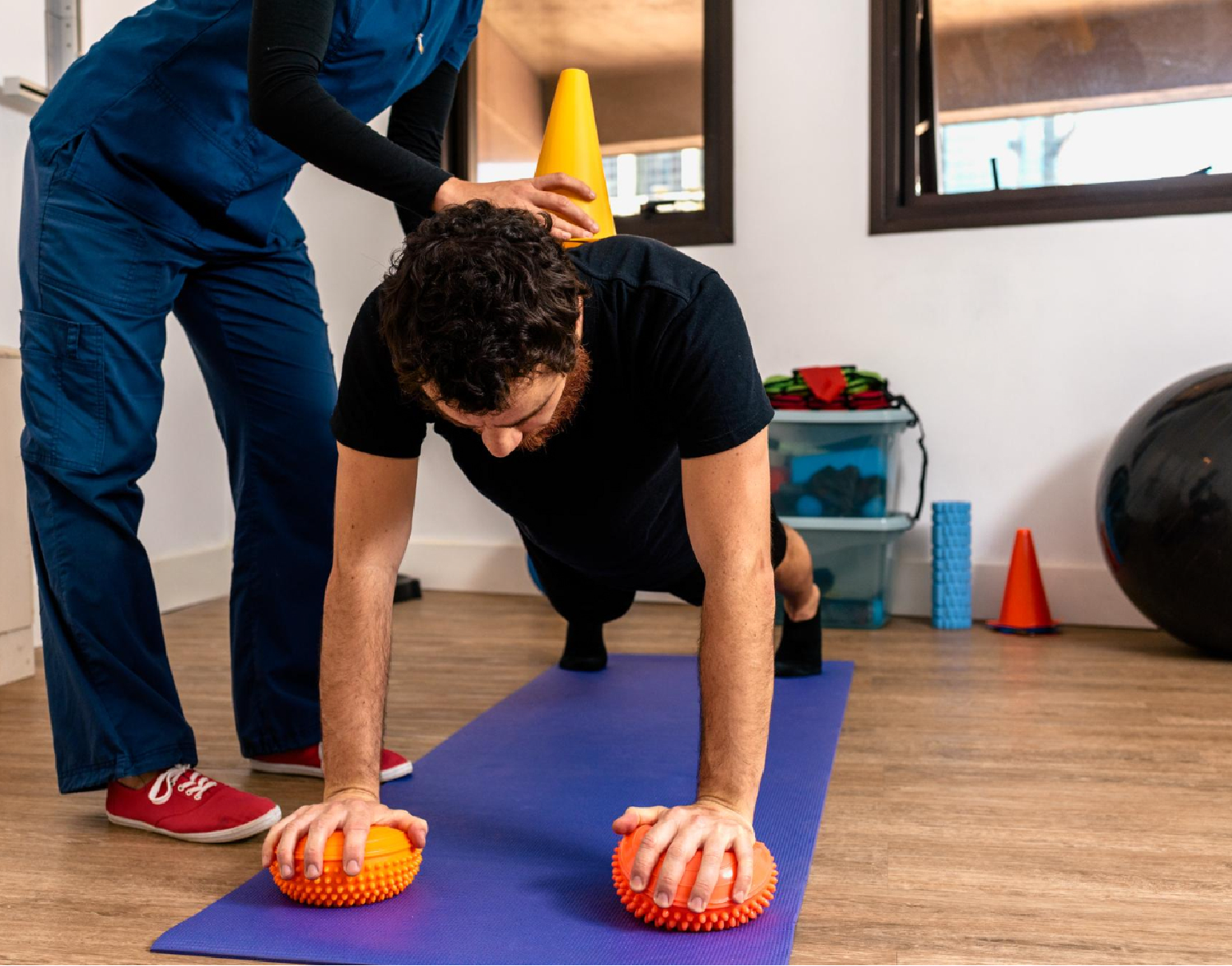
Planks: Hold a straight-arm or forearm plank to engage the entire core.
Bridges: Lie on your back, lift your hips, and squeeze glutes to strengthen the lower back.
Back and Shoulder Strengthening
Strengthening the muscles of the upper and mid-back helps prevent rounding of the shoulders and forward head posture. Key exercises include:
- Rows with Resistance Bands: Strengthens the upper back.
- Shoulder Blade Squeezes: Improves postural alignment.
Flexibility and Stretching
Tight muscles contribute to poor posture and spinal discomfort. Stretching helps release tension, increase range of motion, and maintain spinal health. Focus on:
Chest Opener Stretch: Prevents rounded shoulders.
Hamstring and Hip Flexor Stretch: Reduces pelvic tilt and lower back strain.
Incorporating Movement Throughout the Day
- ✔ Take walking breaks every 30–60 minutes
- ✔ Perform light stretches at your desk
- ✔ Alternate between sitting and standing
Choose Physiotherapy for Long-Term Relief
Chronic back pain and postural issues often cannot be fully resolved by short-term fixes alone. Physiotherapy offers a safe, evidence-based approach to address the root causes of discomfort, rather than merely masking the symptoms. By combining professional assessment, personalized exercise programs, and therapeutic techniques, physiotherapy helps restore function, reduce pain, and improve quality of life.
Comprehensive Assessment
A physiotherapist evaluates your posture, spinal alignment, muscle strength, and movement patterns. This assessment identifies areas of weakness, tightness, or imbalance that contribute to pain. Understanding the underlying causes ensures that treatment is tailored specifically to your needs
Personalized Exercise Programs
Based on the assessment, physiotherapists design targeted exercises to strengthen weak muscles, improve flexibility, and correct postural imbalances. These exercises are progressive, ensuring safe improvement without overstraining the body. Regular practice under guidance helps reinforce proper movement patterns for long-term benefits.
Pain Relief and Recovery Techniques
Physiotherapists use various modalities such as manual therapy, stretching, and therapeutic interventions to relieve pain, reduce muscle tension, and accelerate healing. Techniques may include soft tissue mobilization, joint mobilization, or posture correction exercises to provide immediate relief while supporting long-term recovery.
Education and Lifestyle Guidance
Beyond exercises, physiotherapy provides practical advice for daily activities, ergonomics, and movement habits. Learning how to sit, stand, lift, and sleep correctly reduces the risk of re-injury and ensures lasting spinal health.
Improve Daily Habits and Ergonomics
Healthy daily habits and an ergonomically-friendly environment are essential to prevent back pain, reduce strain, and maintain proper posture throughout the day. Small, consistent adjustments can have a significant long-term impact on spinal health and overall comfort.
Smart Sitting and Standing Habits
Frequent Movement: Avoid sitting or standing in one position for extended periods. Take a short walk or stretch every 30–60 minutes.
Posture Check: Periodically check your posture. Keep your shoulders relaxed, spine neutral, and chin slightly tucked.
Alternating Positions: Use a sit-stand desk or alternate between sitting and standing to reduce spinal stress.
Daily Activity Adjustments
- Lifting Techniques: Bend at the knees and hips, not the waist. Hold objects close to your body and avoid twisting while lifting.
- Sleeping Posture: Sleep on a mattress that supports your spine. Use a pillow that maintains the natural curve of your neck. Side or back sleeping is preferable to stomach sleeping.
- Mobile Device Use: Hold phones or tablets at eye level and avoid prolonged forward head posture. Consider voice commands or hands-free options.
Lifestyle Habits
- ✔ Regular low-impact exercise: Incorporate core strengthening, stretching, and low-impact activities like walking or swimming.
- ✔ Proper hydration and nutrition: Proper hydration and nutrition support muscle function and joint health.
- ✔ Stress management techniques: Stress can contribute to muscle tension. Mindfulness, yoga, or relaxation techniques can help reduce tension in the back and shoulders.
Conclusion
Chronic back pain doesn’t have to control your life. With proper posture, regular exercise, expert physiotherapy care, and healthy daily habits, long-term relief is achievable.
At MyPhysioFix Physiotherapy Clinic, we are committed to helping you move better, recover faster, and live pain-free through personalized and evidence-based care.